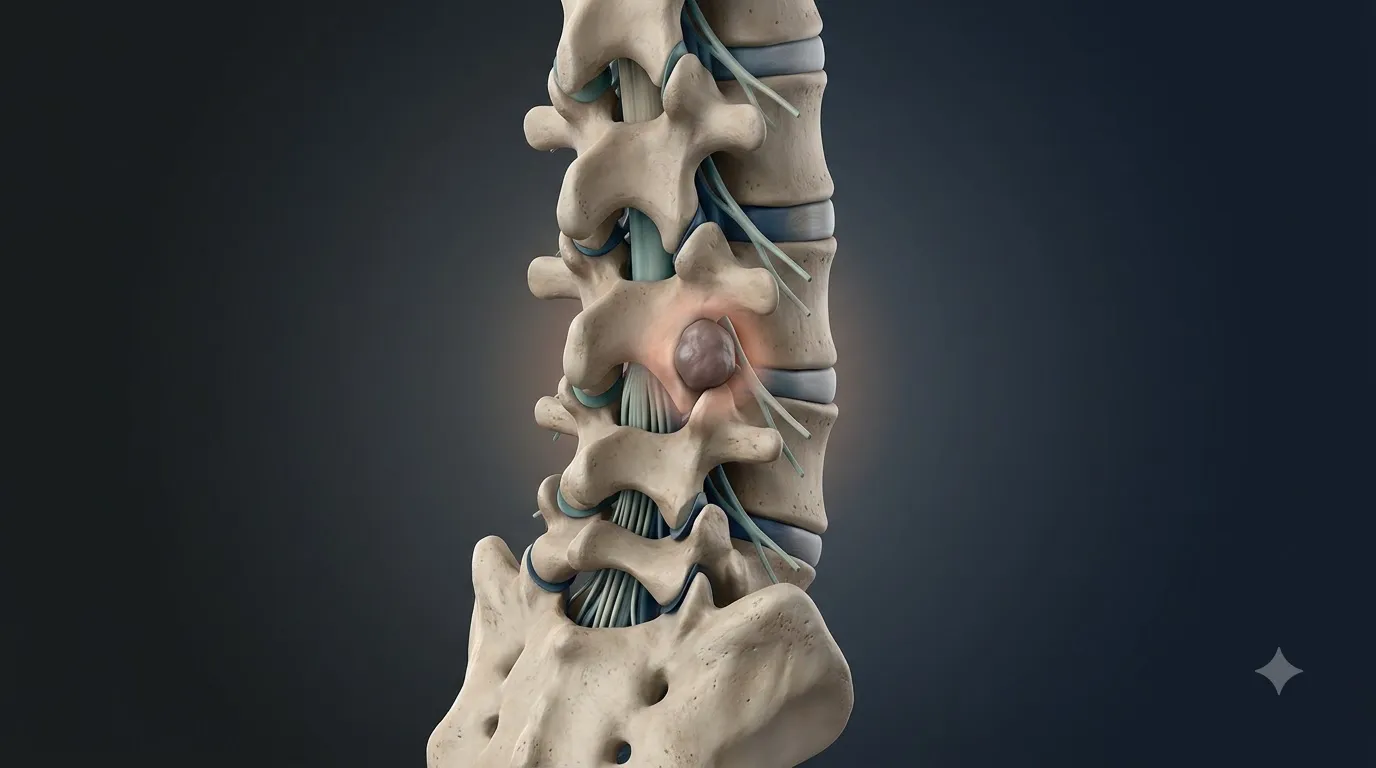
Spinal Tumour Diagnosis
The thought of a spinal tumour is scary, especially when you are browsing for information after experiencing symptoms or even being diagnosed with a new condition. What is key to remember is that many cases of spinal cord tumour are non-cancerous and easily curable, provided that you catch them in time.
A spinal tumour is nothing else but a tumour that appears on the spinal cord, its cover, or the bones of your spine. While back pain may be considered a sign of a spinal tumour, in reality, most cases of back pain are due to less serious causes like muscle strain or disk problems. Dr. Arun Oommen assists patients in all the stages of spinal tumour treatment.
Types of Spinal Tumours
Spinal cord tumours are typically described based on their locations and whether they are benign or malignant.
By location of tumours in the spine:
- Extradural (vertebral): They develop within the spinal bone structure and usually represent metastatic spine tumours arising from breast, lung, prostatic, and renal cancer. Primary bone tumours are less common.
- Intradural extramedullary: Spine tumours developing in the vicinity of the spinal cord but outside its borders. The usual types of intradural extramedullary tumours are meningiomas, schwannomas, and neurofibromas; both benign and malignant.
- Intramedullary: They occur within the spinal cord tissue and usually involve astrocytomas and ependymomas; quite rare.
By nature:
- Benign spinal cord tumour: Slow growing tumour usually amenable to surgical intervention.
- Malignant spinal cord tumour: Aggressive tumours that may need surgical, radiation, or chemotherapy treatments.
- The actual type and grade can be confirmed only after a biopsy procedure.
Symptoms of Spinal Tumour
Typical signs of spinal tumour symptoms include:
- Back pain that frequently radiates to the arms, legs, chest, or abdomen; it can occasionally get worse at night or not go away with rest.
- Loss of feeling, tingling, or numbness.
- Weakness in the arms or legs.
- Walking difficulties, unsteadiness, or inexplicable falls.
- Diminished sensitivity to heat, cold, or pain.
- Loss of bladder or bowel control.
- Depending on which nerves are impacted, severe cases may result in either partial or total paralysis.
A professional neurological evaluation is necessary for an appropriate diagnosis because these symptoms can mimic more common spinal diseases.
Where Spinal Tumours Occur
The location of a spinal cord tumour often dictates the symptoms and course of treatment. Spinal cord tumours can occur in various areas of the spine.
- Extradural, or outside the spinal cord in the vertebrae: Usually brought on by cancer that has progressed from another area of the body.
- Meningiomas and nerve root tumours: Many of which are benign, are found around the spinal cord lining (intradural extramedullary).
- Intramedullary tumours: These include astrocytomas and ependymomas, are less prevalent and occur inside the spinal cord.
- The surgical strategy, possible neurological hazards, and anticipated recovery are all greatly impacted by the tumour’s location.
Warning Signs You Shouldn’t Ignore
If you encounter any of the following spinal cord symptoms, get medical help:
- Backache that gets worse at night.
- Pain that doesn’t go away when you rest.
- New tingling, numbness, or weakness in the arms or legs.
- A discernible shift in balance or difficulty walking.
- Loss of control over one’s bowels or bladder (needs immediate medical attention).
- Persistent back pain in a person who has previously had cancer in another part of their body.
Although these symptoms don’t necessarily indicate the presence of a spinal cord tumour, they shouldn’t be disregarded, especially if they worsen with time.
The Diagnostic Journey From First Visit to Confirmed Diagnosis
- A neurological examination and initial consultation to evaluate reflexes, strength, sensitivity, and balance.
- The most crucial test for seeing the spinal cord, nerves, and any cancer is an MRI scan.
- When further details regarding the spinal bones are needed, a CT scan may be used.
- A myelogram in certain circumstances when an MRI is not appropriate.
- Biopsy to determine the tumour’s grade and whether it is benign or malignant.
In order to choose the best course of spinal tumour diagnosis, the patient and the results are examined once they are all available.
Treatment Pathways
Spinal tumour treatment is highly individualized and depends on the tumour type, location, size, symptoms, and overall health of the patient.
- Watchful monitoring: Appropriate for small, slow-growing, asymptomatic benign tumours, with regular MRI follow-up.
- Spinal tumour surgery: Performed to remove the tumour and relieve pressure on the spinal cord or nerves. In some cases, spinal instrumentation or fusion is required afterward to maintain stability.
- Radiation therapy: Used after surgery or as the main treatment for certain cancerous or difficult to reach tumours.
- Chemotherapy or targeted therapy: Recommended for specific malignant or metastatic tumours.
Importantly, treatment plans are tailored to the individual patient rather than following a one-size-fits-all protocol.
Life After Treatment
While some people recover in a matter of weeks, others need more time for spinal cord treatment.
In order to enhance strength, walking ability, balance, and coordination, physiotherapy is frequently a crucial component of healing.
Particularly in cases of malignant spinal tumours, routine follow-up MRI scans may be required to check for tumour recurrence.
Many individuals are able to resume many of their regular daily activities and restore significant function and independence with early diagnosis and effective therapy.
Frequently Asked Questions
Are most spinal tumours cancerous?
No. Many spinal tumours, especially meningiomas and schwannomas, are benign and slow-growing, and can often be treated successfully.
Can a spinal tumour be treated without surgery?
Yes. Some small benign tumours can be monitored, while certain malignant tumours may be treated with radiation therapy, chemotherapy, or targeted therapy.
How long does recovery take after spinal tumour surgery?
Recovery varies from a few weeks to several months, depending on the tumour location, neurological symptoms, and whether spinal stabilization was required.
Can a spinal tumour cause permanent paralysis if left untreated?
It can. Progressive compression of the spinal cord or nerves may lead to permanent weakness or paralysis, which is why early evaluation is important.
Where can I get spinal tumour treatment in Kochi?
Spinal tumour care in Kochi may involve evaluation, surgery, and follow-up, with Dr. Arun Oommen involved in the neurosurgical management of such cases.