Fibromyalgia
What Is Fibromyalgia? Painful muscle conditions, soreness, and allodynia, which is increased sensitivity to pressure, are all signs of a chronic disorder called fibromyalgia. This disease is now considered a pain modulation disease, which means that the nervous system responds to pain signals in an abnormal manner. Studies show that pain is intensified due to […]
Trigeminal Neuralgia

Trigeminal neuralgia is a neurological condition affecting the trigeminal nerve, causing sudden, severe facial pain often described as electric shocks or stabbing sensations. Attacks are usually brief but can be intensely painful and disabling daily. Symptoms Trigeminal neuralgia causes brief, intense episodes of facial pain, usually affecting one side. Pain may be triggered by everyday […]
Cerebral Aneurysm
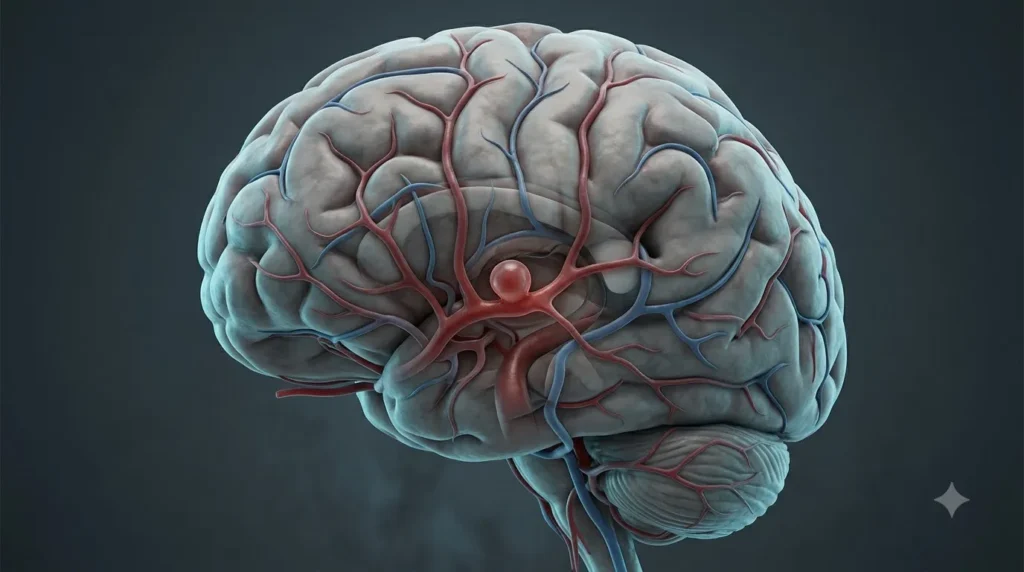
A cerebral aneurysm is a weakened area in a brain artery that forms an abnormal bulge. Many aneurysms cause no symptoms and are often discovered incidentally, but rupture can cause bleeding around the brain, requiring emergency treatment. Symptoms of an Unruptured Aneurysm Many aneurysms cause no symptoms, but larger ones may produce headaches, vision changes […]
Traumatic Brain Injury

Traumatic brain injury (TBI) results from a blow, jolt, or penetrating injury to the head that disrupts normal brain function. Severity ranges widely, from a mild concussion to a severe, life-threatening injury. Classification Symptoms Headache, confusion, dizziness, and nausea are common even in mild cases. Memory problems can follow. In more severe cases, symptoms include […]
Spondylolisthesis
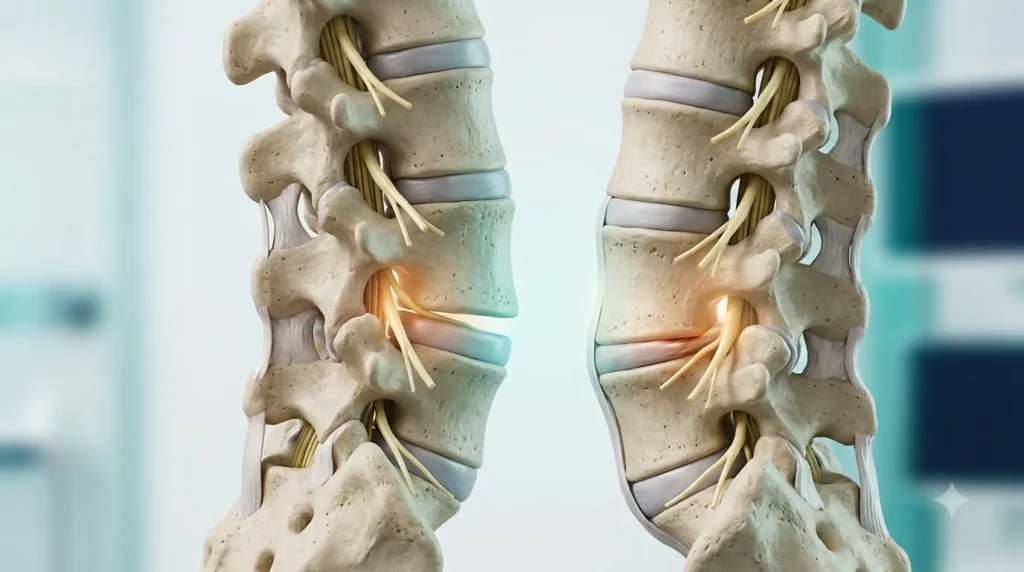
Spondylolisthesis occurs when one vertebra slips forward relative to the one beneath it, most commonly in the lower back. This slippage can narrow the spinal canal and put pressure on nearby nerve roots. Types of Spondylolisthesis Symptoms Lower back pain that worsens with standing or walking and improves with sitting, tight hamstrings, leg pain or […]
Herniated Disc
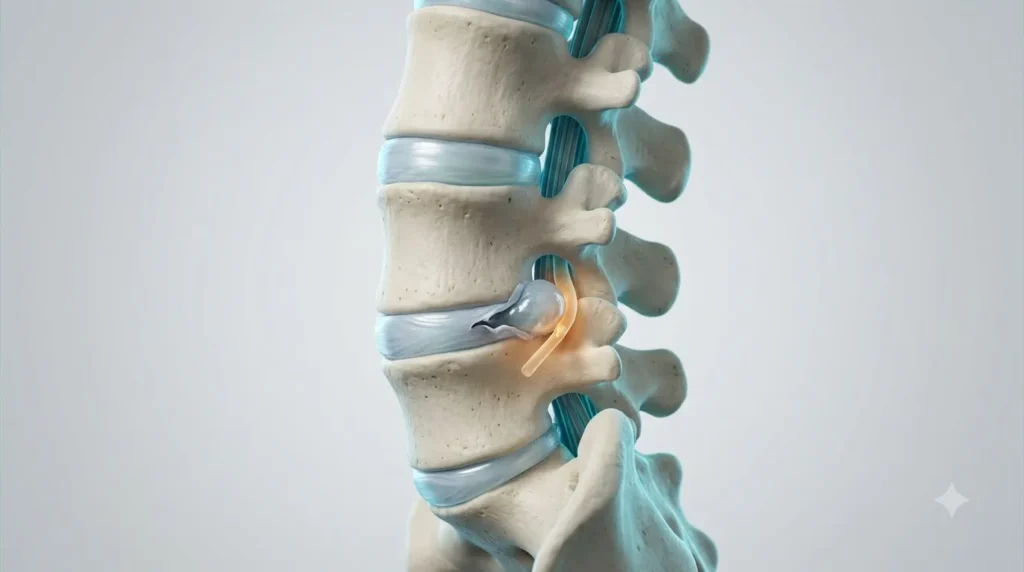
A herniated disc, sometimes called a slipped or ruptured disc, occurs when the soft, gel-like center of a spinal disc pushes through a tear in its tougher outer layer. This can irritate or compress nearby spinal nerves. Common Locations Most frequently occurs in the lower back (lumbar spine) and, less commonly, in the neck (cervical […]
Hydrocephalus
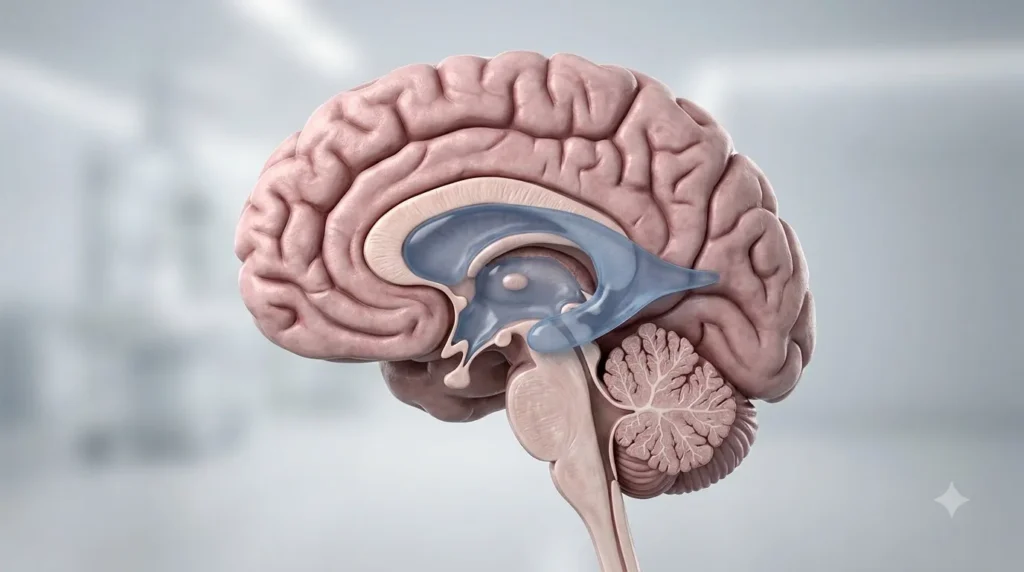
What Is Hydrocephalus? When too much cerebrospinal fluid (CSF) accumulates in the brain’s ventricles, the condition is known as hydrocephalus. It has been referred to as “water on the brain”; however, it actually involves CSF rather than ordinary water. The brain may be under more pressure as a result of the additional fluid, which would […]
Spinal Tumours
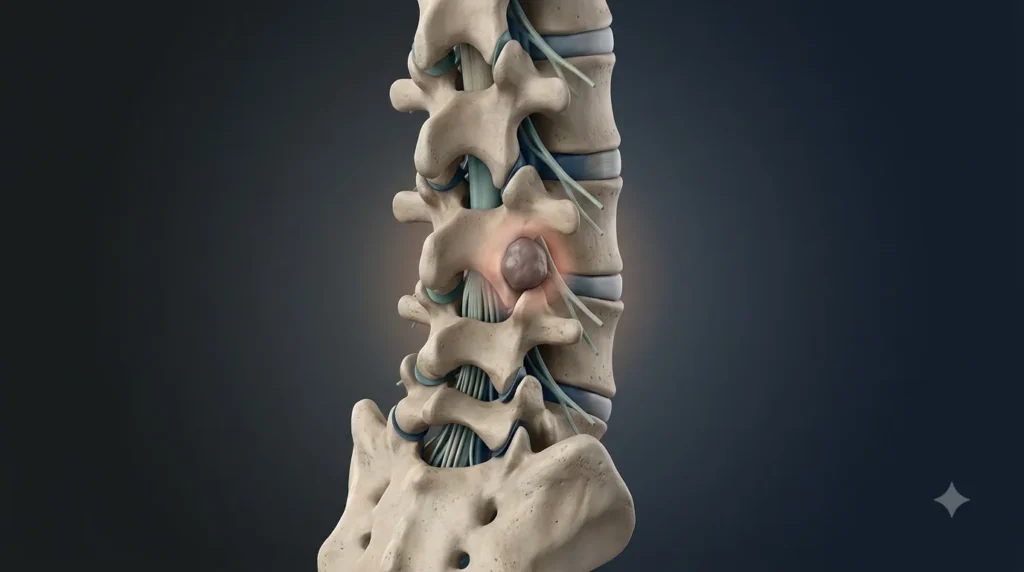
Spinal Tumour Diagnosis The thought of a spinal tumour is scary, especially when you are browsing for information after experiencing symptoms or even being diagnosed with a new condition. What is key to remember is that many cases of spinal cord tumour are non-cancerous and easily curable, provided that you catch them in time. A […]
Brain Tumours
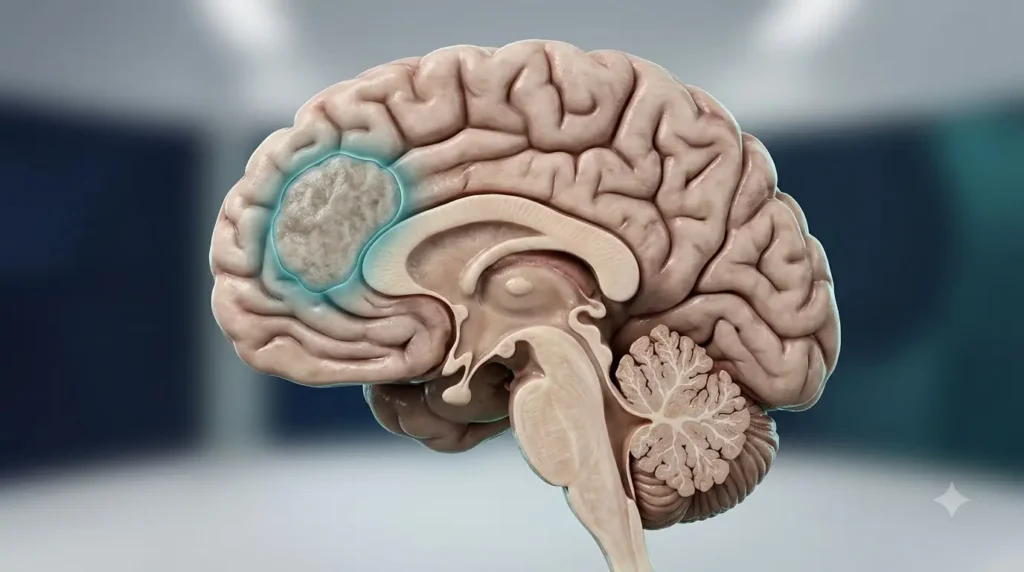
A brain tumour is an abnormal mass of cells growing within the brain or its surrounding tissue. Some are benign, meaning they grow slowly and do not spread to other parts of the body, while others are malignant and can grow aggressively, invading nearby brain tissue. Tumours can also originate elsewhere in the body and […]