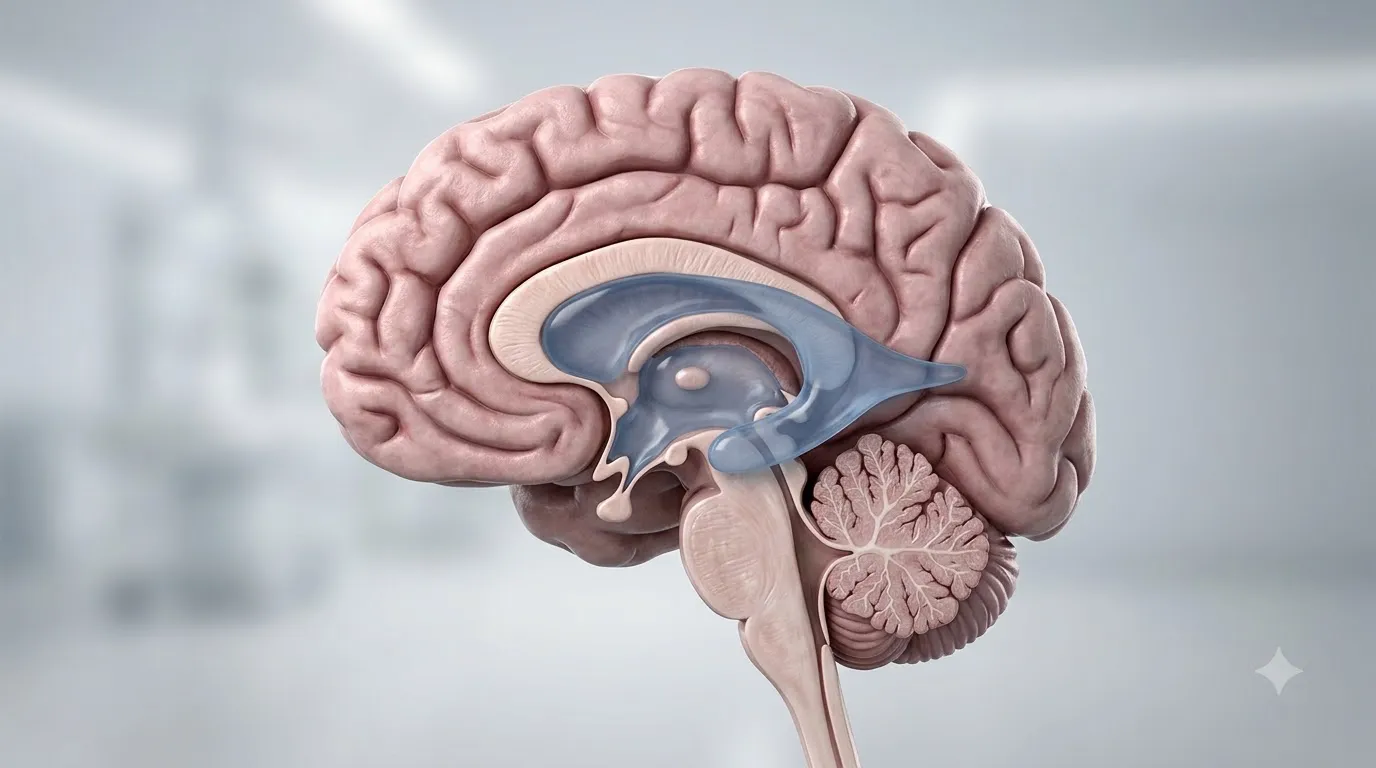
What Is Hydrocephalus?
When too much cerebrospinal fluid (CSF) accumulates in the brain’s ventricles, the condition is known as hydrocephalus. It has been referred to as “water on the brain”; however, it actually involves CSF rather than ordinary water.
The brain may be under more pressure as a result of the additional fluid, which would prevent it from functioning normally. People of all ages can have hydrocephalus; however, the cause and symptoms may change depending on the age group.
When the problem is identified early and surgery is performed, it can be effectively treated. Dr. Arun Oommen manages cases of hydrocephalus.
Types of Hydrocephalus
Depending on when it occurs and how the cerebrospinal fluid circulation is disturbed, hydrocephalus can be classified in many ways.
Congenital hydrocephalus is hydrocephalus that occurs at birth and is typically linked to certain brain or spinal developmental problems.
Later in life, brain traumas, brain tumours, brain infections, or brain haemorrhages can result in acquired hydrocephalus.
The other classification that doctors use is communicating and non-communicating hydrocephalus. In the case of the former, there is communication between the ventricles although there is no adequate absorption of CSF, whereas in the latter case, there is an obstruction to the flow of CSF.
Causes of Hydrocephalus
The basic pathophysiology of hydrocephalus involves a disturbance in the balance of production and drainage of cerebrospinal fluid.
Some of these causes include:
- Obstruction to flow of CSF due to brain tumors, cysts, or congenital problems.
- Blood inside the brain, such as intraventricular haemorrhage, which obstructs the drainage of CSF.
- Brain infection like meningitis that may damage the structures responsible for drainage of CSF.
- Cranial injury or surgery on the brain.
- In some patients with normal pressure hydrocephalus, no identifiable cause is found.
Symptoms of Hydrocephalus
Infants
The hydrocephalus symptoms that babies may exhibit are as follows:
- Fast-growing head size.
- Concave soft spot.
- Nausea and vomiting.
- Excessively irritable or sleepy.
- Downward-looking eyes (“Sunset Eyes”).
Children and Adults
Common symptoms are as follows:
- Headaches.
- Nausea and vomiting.
- Double vision.
- Difficulty concentrating.
Normal Pressure Hydrocephalus in Older Adults
In the case of NPH, it occurs slowly and progressively for a number of months or years with the following features:
- Problems with walking and shuffling gait.
- Balance issues and falls.
- Mild memory problems.
- Problematic urination.
This slow progression is another crucial aspect of hydrocephalus that should be taken into account in differentiating normal pressure hydrocephalus from other kinds of hydrocephalus.
How Hydrocephalus Is Diagnosed
The process of hydrocephalus diagnosis begins with carrying out a comprehensive neurological assessment on the patient.
When it comes to infants, this assessment involves assessing the development of the size of the head and the fontanelle.
CT scan and MRI scan are the most vital diagnostic procedures as they allow one to visualize the enlargement of the ventricles and the obstruction of CSF flow.
With regard to patients suspected of normal pressure hydrocephalus, some other procedures can be employed for evaluating whether treatment will be beneficial.
Accurate diagnosis plays an important role as hydrocephalus may mimic other neurological conditions.
Treatment Options for Hydrocephalus
Since there is no medication to address cerebrospinal fluid (CSF) circulation issues, hydrocephalus is treated surgically.
Two surgical procedures are employed to treat hydrocephalus:
VP (Ventriculoperitoneal) Shunt
One of the most common procedures used to treat hydrocephalus is this one.
It involves inserting a tiny tube into the brain’s ventricles and attaching it to a tube that allows CSF to enter the belly and be absorbed by the body.
Long-term hydrocephalus symptoms are managed using the VP shunt, which is frequently performed on both adults and children.
Third Ventriculostomy via Endoscopy (ETV)
When treating patients with obstructive hydrocephalus, ETV works well.
The decision between ETV and VP shunt surgery is based on a number of variables.
Recovery and Long-Term Outlook
After excess CSF fluid is diverted, symptoms such as headaches, vomiting, loss of balance, and others brought on by elevated intracranial pressure typically improve.
Due to the possibility of shunt malfunction, shunt infection, and obstruction that may necessitate additional therapy, patients receiving VP shunt treatment need to be closely monitored.
The proper operation of the shunt or ETV will be ensured by routine follow-up tests.
Walking is the most noticeable improvement following therapy for normal pressure hydrocephalus; however, some people may also see improvements in memory and functioning.
When Should You Consult a Neurosurgeon?
If a child or adult over the age of 12 months experiences headaches, chronic vomiting, visual problems, imbalance, or coordination challenges, they should see a neurosurgeon.
Gradually declining gait, balance, memory, and bladder control in older adults may be a sign of normal pressure hydrocephalus rather than ageing.
For accurate diagnosis and hydrocephalus treatment in Kochi, early consultation with a skilled neurosurgeon is necessary.
Frequently Asked Questions
Is hydrocephalus curable?
Hydrocephalus is normally treatable by procedures like VP shunt surgery or Endoscopic Third Ventriculostomy (ETV), which will be very helpful to control CSF accumulation and treat the symptoms.
Can hydrocephalus develop in adults, or is it only a childhood condition?
Yes. Even though hydrocephalus affects children frequently, adults can have hydrocephalus due to reasons like head injury, brain haemorrhage, infection, tumour, and Normal Pressure Hydrocephalus.
Is a shunt permanent, and does it need replacement?
A VP shunt is supposed to last forever, but in some cases, it needs to be revised or changed due to blockages, infections, or non-functionality.
What is the difference between a shunt and ETV?
While a shunt sends excess CSF through the inserted tube to other parts of the body, ETV makes an opening inside to allow the flow of CSF.
Where can I get hydrocephalus treatment in Kochi?
Hydrocephalus care in Kochi includes evaluation and surgical options such as VP shunt surgery and Endoscopic Third Ventriculostomy, along with assessment for Normal Pressure Hydrocephalus by Dr. Arun Oommen.